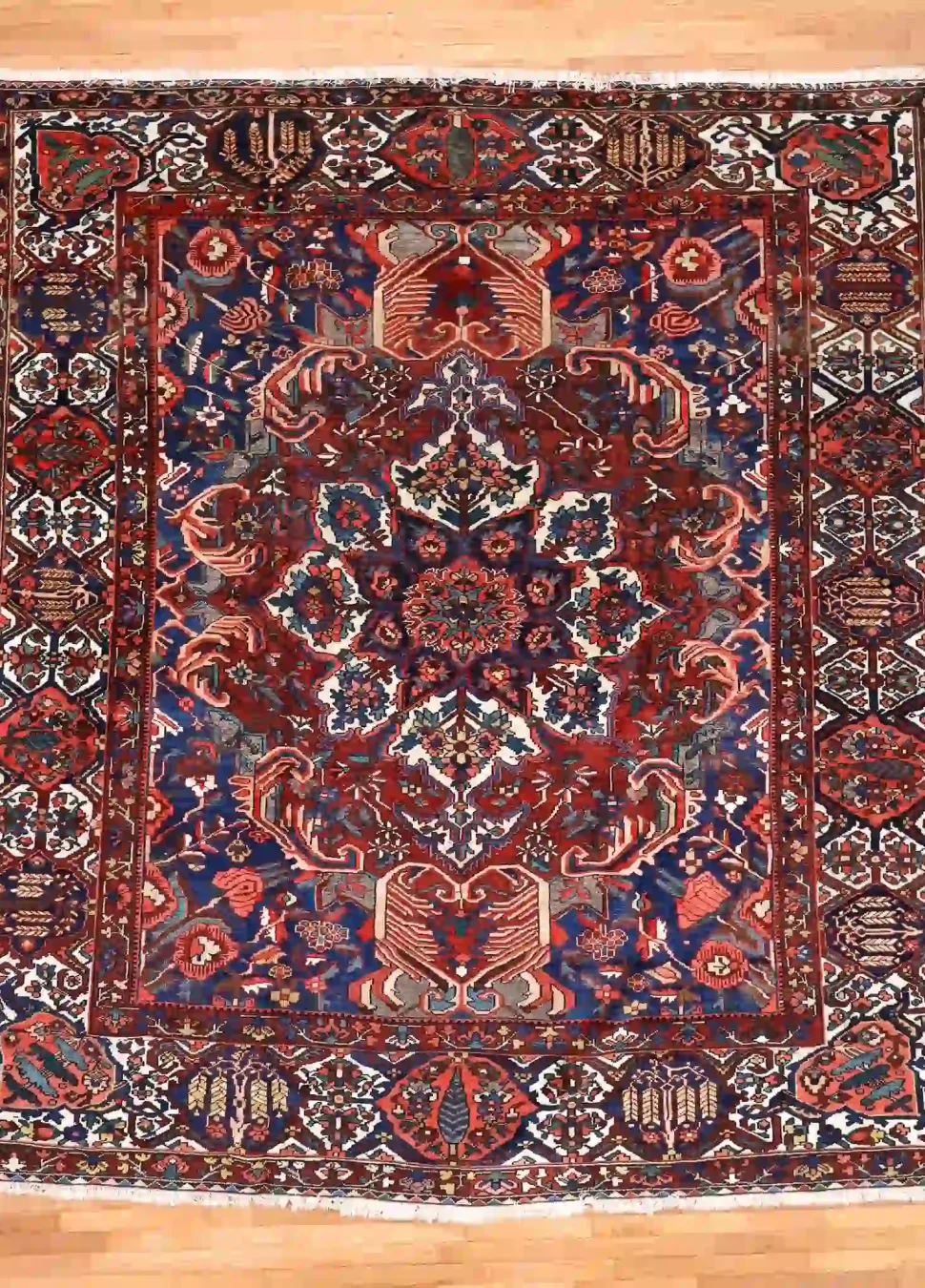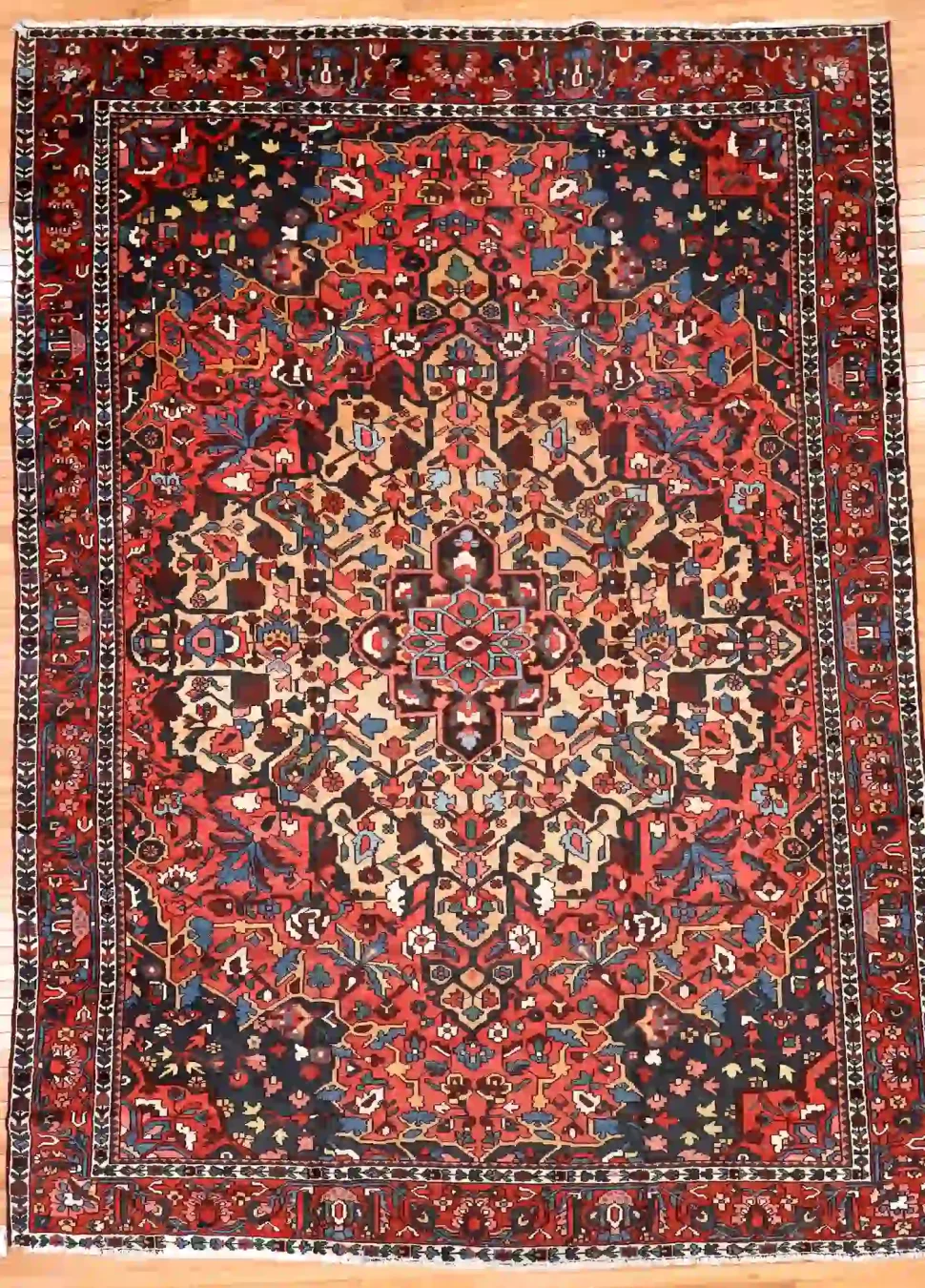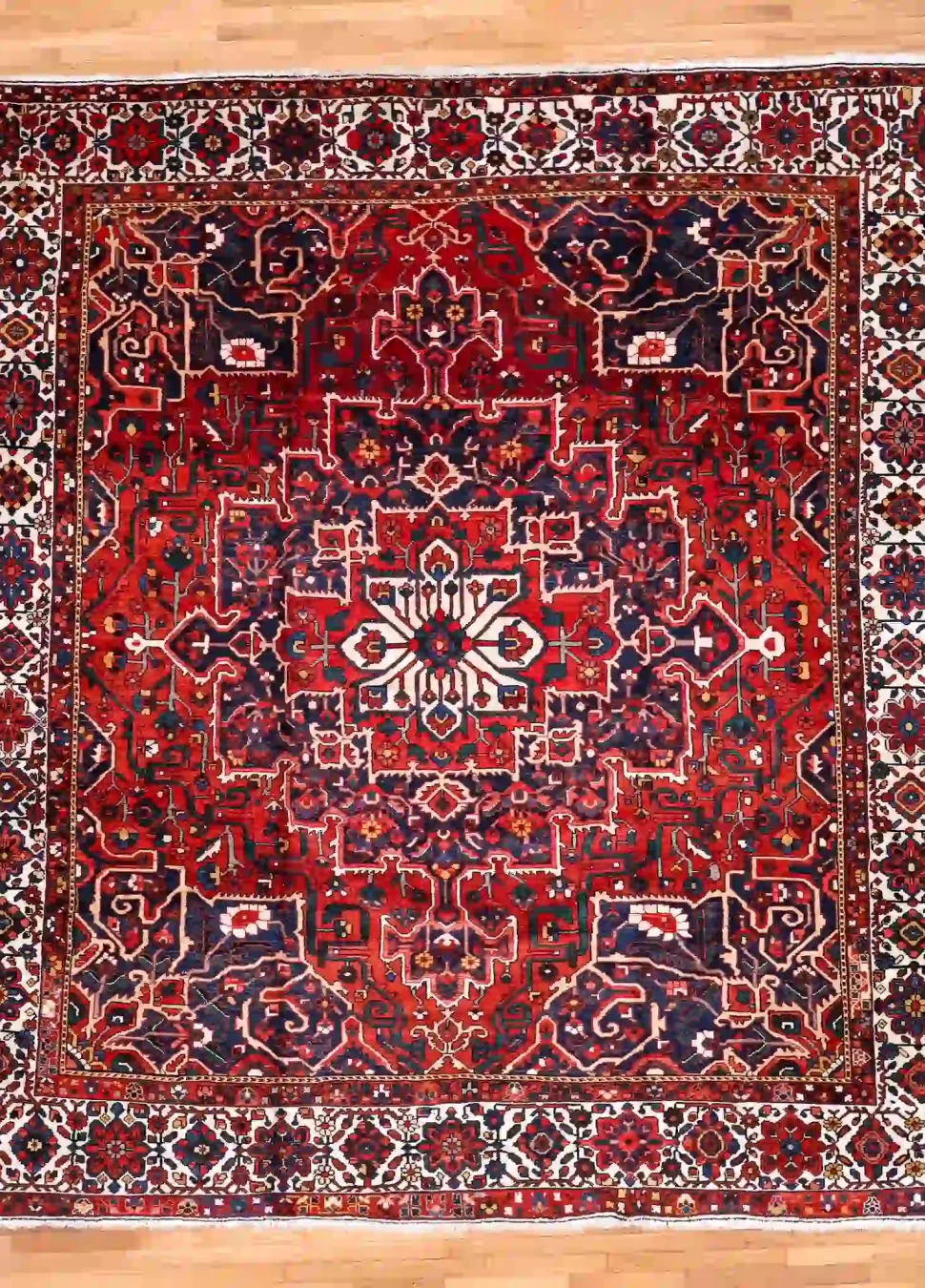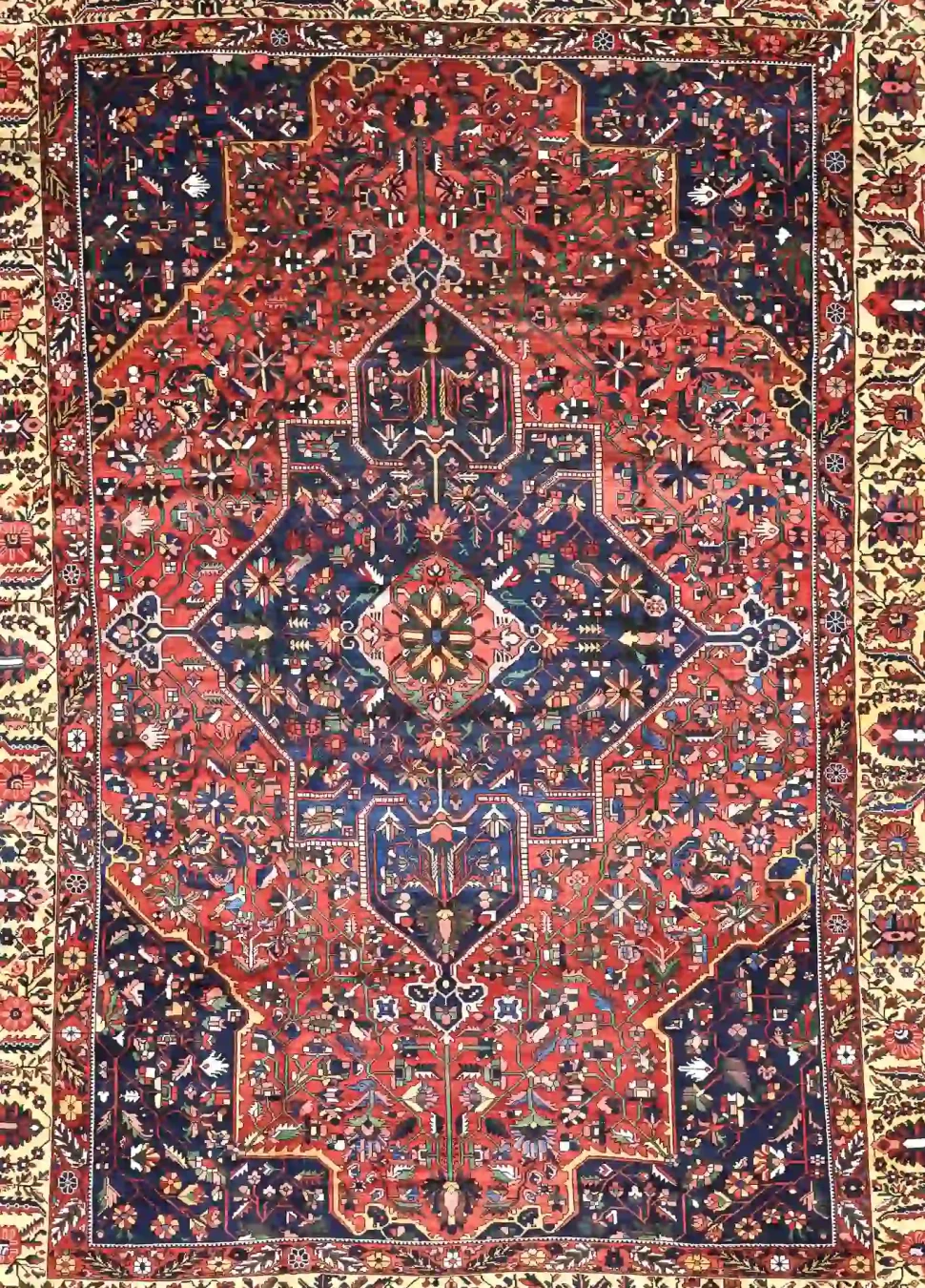
Story of Moroccan Rugs History: From Berber Tribes to Global Design Icon
There’s something undeniably magnetic about a Moroccan rug. Whether it’s the asymmetric geometry of a Beni Ourain, the vibrant colors of an Azilal, or the mysterious symbols woven into a vintage Boucherouite, these textiles possess a raw, organic beauty that feels both ancient and surprisingly contemporary. The moroccan rugs history stretches back thousands of years into the Atlas Mountains, where Berber tribes created these woven treasures not as decorative objects for sale, but as essential elements of daily life insulation against cold mountain nights, wedding gifts laden with symbolic meaning, and portable wealth that moved with nomadic families across Morocco’s diverse landscape.
Unlike the refined court carpets of Persia or the commercially oriented production of Turkish workshops, Moroccan rugs developed in relative isolation within tribal communities. Each weaver, almost always a woman, learned techniques and symbolic vocabularies from her mother and grandmother, creating pieces that expressed personal creativity within cultural traditions. The result is a weaving tradition characterized by bold improvisation, abstract geometric designs, and a spontaneous, almost modern aesthetic that feels remarkably at home in contemporary interiors.
These aren’t carpets born from royal patronage or created to satisfy foreign merchants’ demands. They’re intimate expressions of women’s lives, hopes, and artistic visions. The symbols woven into the pile might represent protection against evil, prayers for fertility, or simply the weaver’s creative response to the blank canvas of her loom. This deeply personal quality, combined with striking visual appeal, explains why Moroccan rugs have captivated collectors and designers worldwide, becoming icons of bohemian style and proof that some of the world’s most compelling textiles emerged not from sophisticated workshops but from tribal homes in remote mountain villages.
The Origins of Moroccan Rugs
The Ancient Berber Origins: Weaving in the Atlas Mountains
The story begins with the Berbers (also called Amazigh, meaning “free people”), North Africa’s indigenous inhabitants who have lived in the region for thousands of years. Long before Arab conquest brought Islam to Morocco in the 7th century CE, Berber communities were creating textiles for practical purposes and cultural expression.
Archaeological evidence and historical accounts suggest that Berber weaving traditions date back at least 3,000 years, possibly much longer. The harsh climate of the Atlas Mountains with freezing winters at high altitudes made warm textiles essential for survival. Berber women developed sophisticated weaving skills, creating thick pile carpets that insulated homes and tents against cold while also serving as bedding, seating, and room dividers.
The isolation of mountain communities meant weaving traditions developed independently within different tribal groups. Geographic barriers, mountain ranges, deserts, and limited transportation kept tribes relatively isolated from each other, allowing distinct regional aesthetics to emerge. A woman from the Beni Ourain tribe in the Middle Atlas learned different patterns and techniques than someone from the Boucherouite weavers near Marrakech or the Azilal tribes in the High Atlas.
This tribal diversity created the extraordinary variety that characterizes Moroccan rugs. While Persian or Turkish traditions developed some regional variations, they also showed strong central influences from court workshops or commercial centers. Moroccan weaving remained tribal and decentralized, with each community preserving its own techniques, symbols, and aesthetic preferences across generations.
The pre-Islamic origins of many designs and symbols add fascinating complexity. While Islam became Morocco’s dominant religion, weaving traditions incorporated pre-Islamic Berber beliefs and symbols. Protective amulets, fertility symbols, and references to ancient animistic traditions appear in carpets created by Muslim weavers, representing cultural continuity that survived religious transformation.
Berber weaving served multiple functions beyond mere utility. Rugs marked important life transitions, weddings, births, and coming of age. They functioned as portable wealth, representing significant investments of time and materials that held value and could be traded or sold in times of need. They also expressed identity, with tribal affiliation often visible in design choices, colors, and technical approaches.
The communal nature of tribal life influenced weaving practices. While individual weavers created pieces, they worked within shared cultural frameworks. Young girls learned by watching mothers and grandmothers, absorbing not just technical skills but also the cultural knowledge embedded in design vocabularies. This knowledge transmission across generations created continuity while allowing individual creativity within traditional boundaries.
Traditional Moroccan Rugs: Regional Tribes and Distinctive Styles

Morocco’s geographic and cultural diversity produced remarkably varied traditional Moroccan rugs, each tribal group developing distinctive aesthetics that allow experts to identify pieces based on design characteristics.
Beni Ourain: Minimalist Monochrome Beauty
Perhaps the most internationally famous Moroccan rug type comes from the Beni Ourain confederation of tribes inhabiting the Middle Atlas Mountains. These pieces epitomize Moroccan weaving’s appeal to contemporary design sensibilities: ivory or cream backgrounds with asymmetric dark brown or black geometric patterns create compositions of striking simplicity and sophistication.
Traditional Beni Ourain rugs feature thick, plush piles from undyed sheep’s wool the natural cream color comes directly from light-colored sheep. The patterns, rendered in dark wool from black or brown sheep, typically consist of diamond shapes, zigzags, or abstract symbols arranged asymmetrically across the field. This asymmetry feels refreshingly modern, though it actually reflects the weaver’s improvisational approach rather than any design to appear contemporary.
The symbolism in Beni Ourain designs carries deep meaning. Diamonds might represent the evil eye or protective amulets. Zigzags could symbolize water or rivers. Abstract symbols might reference fertility, protection, or personal significance to the weaver. However, interpretation remains somewhat speculative since Berber weaving traditions were oral rather than documented, and meanings could vary between individuals and communities.
The thick pile served practical purposes in the cold Middle Atlas winters. These carpets provided essential insulation against stone or earth floors, retained heat effectively, and could serve as blankets during especially cold nights. The natural lanolin in undyed wool contributed water resistance and dirt repellence, while the cream color showed less dirt than white would have.
Beni Ourain’s rise to international design stardom represents a relatively recent phenomenon. While these carpets existed for centuries serving their tribal communities, they remained largely unknown outside Morocco until the mid-20th century when modernist architects and designers discovered them. The aesthetic affinity between Beni Ourain’s minimalist geometry and modernist design principles created perfect synergy, launching these tribal pieces into high-design prominence.
Azilal and Boucherouite: Explosive Color and Improvisation
Where Beni Ourain represents restrained monochrome elegance, Azilal and Boucherouite rugs explode with color, pattern, and uninhibited creativity. These styles, originating from different regions and traditions, share an exuberant aesthetic that appeals to collectors seeking maximum visual impact.
Azilal rugs come from tribes in the High Atlas Mountains. These pieces combine pile and flatweave techniques, creating textural variation within single carpets. The color palettes embrace vibrant pinks, oranges, purples, yellows, and greens alongside more traditional browns and blacks. The designs feature abstract symbols, geometric forms, and sometimes almost pictorial elements rendered in energetic, spontaneous compositions.
The symbols in Azilal pieces might include animals (birds, camels, humans), household objects, geometric abstractions, or purely decorative patterns. The weavers enjoyed considerable creative freedom, improvising designs rather than following rigid templates. This improvisational quality gives each piece unique character; no two Azilal rugs are identical, even when from the same tribal group.
Boucherouite rugs represent perhaps the most innovative Moroccan tradition. The name “boucherouite” derives from a Berber word meaning “torn cloth,” referring to the recycled fabric strips used as materials. Rather than using newly spun wool, Boucherouite weavers incorporated scraps of cotton, synthetic fabrics, and recycled textiles, creating extraordinary compositions from humble materials.
This recycling tradition emerged partly from economic necessity purchased wool was expensive, but worn-out clothing and fabric scraps were free. However, Boucherouite weavers transformed limitation into artistic opportunity. The varied textures, colors, and materials available in recycled fabrics enabled effects impossible with uniform wool. Bright synthetic fabrics introduced colors unavailable from natural dyes, creating electric palettes that distinguish Boucherouite from other Moroccan traditions.
The designs range from relatively geometric to wildly abstract, with some pieces appearing almost like abstract expressionist paintings rendered in textile. This affinity with modern art has made Boucherouite particularly appealing to contemporary collectors who appreciate the pieces as fiber art rather than merely functional carpets.
Taznakht and Middle Atlas Tribal Variations
The Taznakht region in southern Morocco produces distinctive flatweave rugs with geometric designs and vibrant color combinations. Taznakht pieces typically feature diamonds, triangles, and other geometric forms in saturated reds, oranges, yellows, and blues. The flatweave technique creates thinner, more flexible carpets than high-pile pieces, suitable for different uses and aesthetic preferences.
Various Middle Atlas tribes beyond Beni Ourain developed their own weaving traditions. Some created pieces combining elements from different styles pile and flatweave sections, geometric and more flowing designs, monochrome and polychrome palettes. This diversity reflects both geographic isolation between communities and occasional cultural exchange through trade and marriage connections.
Each tribal group maintained distinctive technical approaches. Knot types, pile height, foundation materials, and edge finishing techniques varied between communities. Expert collectors can sometimes identify a rug’s tribal origin based on these technical characteristics combined with design elements.
Rabat and Urban Workshop Production
Not all Moroccan rugs emerged from tribal contexts. Cities like Rabat developed workshop traditions influenced by both Moroccan tribal aesthetics and external influences from Turkish and Persian carpet-making traditions. Rabat carpets tend toward more formal, symmetrical designs with tighter weaving and more controlled color palettes than tribal pieces.
These urban productions served different markets and functions than tribal weavings. While tribal pieces met community needs first, urban workshops produced for commercial sale, particularly to Europeans and wealthy Moroccans seeking refined textiles. The aesthetics reflected this commercial orientation more “finished” and controlled than the spontaneous tribal work, but also perhaps less individual and creative.
Types of Moroccan Rugs: Construction Techniques and Formats
Beyond tribal variations, Moroccan carpets also divide into categories based on construction techniques and intended uses.
Pile Carpets: Warmth and Texture
High-pile carpets like traditional Beni Ourain pieces use knotting techniques to create thick, fuzzy surfaces. The pile height varies considerably; some pieces feature piles several inches deep, creating almost shag-like textures, while others use shorter piles for different visual and tactile effects.
The knotting technique in Moroccan pile carpets differs from Turkish or Persian approaches. Moroccan weavers typically use a form of the symmetrical knot, though executed with distinctively relaxed, somewhat irregular tension that contributes to the organic, handmade quality. This technical “imperfection” actually enhances appeal for contemporary collectors who value authenticity over mechanical precision.
Pile carpets served as primary floor insulation in cold mountain regions. The thick wool trapped air, providing remarkable warmth. These pieces also functioned as sleeping surfaces rolled out at night for bedding, then rolled up during the day to clear floor space in small homes.
Flatweaves: Versatile Textiles
Flatweave techniques create thinner, more flexible carpets without the pile of knotted pieces. These “kilim style” Moroccan textiles use various weaving approaches to create patterns through color changes rather than pile variations.
Flatweaves served different purposes than pile carpets. Their lighter weight and flexibility made them easier to transport for nomadic groups. They functioned as tent dividers, grain storage bags, and wall hangings as much as floor coverings. The thinner construction also made them suitable for warmer seasons or lower-altitude areas where thick piles would be excessive.
Some Moroccan pieces combine pile and flatweave techniques within single carpets, creating textural variation and visual interest. These mixed-technique pieces demonstrate weavers’ technical versatility and creative approaches to traditional formats.
Hanbels: Blankets and Wraps
Hanbels represent a specific category of Moroccan textiles: striped blankets or wraps created on narrow looms. These pieces served as cloaks, shawls, or light blankets rather than floor coverings. The construction typically features bold horizontal stripes in contrasting colors created through simple weaving techniques.
While not technically “rugs” in the floor-covering sense, hanbels share aesthetic and cultural connections with Moroccan carpet traditions. The same tribal communities produced both, using similar materials and design sensibilities. Collectors interested in Moroccan textiles often include hanbels alongside pile and flatweave carpets.
Functional Weavings: Bags, Saddles, and Household Items
Moroccan weaving traditions extended beyond carpets to include numerous functional items. Weavers created storage bags for grain and household goods, saddle blankets for animals, tent decorations, cushion covers, and various other textile objects using the same techniques and aesthetics applied to floor coverings.
These utilitarian pieces, particularly older examples, have become increasingly collectible. They demonstrate the full range of weaving skills and design sensibilities within tribal communities. A grain storage bag might display the same bold geometric designs and vibrant colors as a major carpet, rendered in miniature format.
Moroccan Rugs History Facts: Fascinating Details and Lesser-Known Stories

Beyond the main historical narrative, numerous intriguing details illuminate Moroccan weaving traditions in unexpected ways.
Women’s Exclusive Domain
Unlike some carpet-weaving traditions where men operated commercial workshops or produced fine pieces, Moroccan tribal weaving remained almost exclusively women’s work. Men tended flocks and processed raw wool, but women controlled all aspects of design and weaving. This gender specificity meant carpet making functioned as a primary creative and economic activity for Berber women.
Young girls typically began learning to weave around age 10-12, starting with simple patterns and gradually advancing to more complex work. By marriage age (traditionally mid to late teens), a woman was expected to demonstrate considerable weaving skill. The quality of rugs a young woman could produce directly affected her marriageability and the dowry her family could negotiate.
This feminine ownership of the craft created spaces for women’s creativity and expression within patriarchal tribal structures. While men might control many aspects of community life, weaving remained a domain where women made creative decisions, controlled production, and received recognition for their skills.
Dowry Traditions and Wedding Rugs
Carpets played crucial roles in Berber wedding traditions. A bride’s family typically provided rugs as part of her dowry, with the quality and quantity reflecting family wealth and status. These wedding rugs served practical purposes furnishing the new couple’s home while also demonstrating the bride’s skills and her family’s investment in her future.
Some communities created special wedding carpets with designs specific to that life transition. These pieces might incorporate fertility symbols, protective motifs for the new household, or other elements tied to marriage and family. The weaver would invest her finest skills and most careful work, creating pieces meant to be treasured across lifetimes.
Wedding rugs sometimes passed through families as heirlooms, accumulating emotional significance across generations. A grandmother’s wedding carpet might be given to a granddaughter, creating material connections across family history.
The Symbolism Debate
Interpreting the symbols in Moroccan rugs proves challenging because the tradition was oral and meanings varied between individuals and communities. Some common interpretations include: diamonds representing the evil eye or protective amulets, zigzags symbolizing water or snakes, crosses suggesting the four cardinal directions or spiritual protection, and various animal and plant forms representing fertility, abundance, or protection.
However, scholars caution against over-interpreting symbols. Some designs might have carried deep meaning while others were purely decorative. The same symbol might mean different things to different weavers. Without documented records or testimony from the weavers themselves (most long deceased), definitive interpretations remain speculative.
Some contemporary collectors and dealers attribute elaborate symbolic meanings to increase pieces’ mystique and value. While symbols certainly carried significance, the exact meanings often remain lost to time adding mystery but also requiring skepticism about confident claims of specific interpretations.
Natural Dyes and Materials
Traditional Moroccan rugs used entirely natural materials. Wool came from local sheep breeds adapted to mountain conditions. The dyeing employed plant materials, minerals, and other natural sources: henna for reds and oranges, indigo for blues, saffron for yellows, walnut hulls for browns, and pomegranate rinds for various tones.
The limited natural palette meant traditional pieces featured earthy, harmonious colors, browns, blacks, creams, rust reds, indigos, and softer yellows and oranges. These natural dyes aged beautifully, mellowing into complex, rich tones over decades.
Synthetic dyes reached Morocco during the late 19th century, introducing brighter colors and broader palettes. Some traditions embraced synthetic dyes enthusiastically (particularly Boucherouite weavers incorporating synthetic fabrics), while others maintained natural dyeing. Today, the presence of natural versus synthetic dyes significantly affects antique pieces’ values, with naturally dyed examples commanding premiums.
Colonial French Influence
France’s colonial control of Morocco (1912-1956) impacted weaving traditions in complex ways. French interest in Moroccan crafts created commercial markets that supported continued production but also began changing traditions. French merchants sometimes commissioned pieces for European tastes, influencing designs and colors.
The colonial administration established the Service des Arts Indigènes to document and promote Moroccan crafts. While this preserved knowledge that might have been lost, it also formalized and somewhat fossilized living traditions. The French preference for certain styles over others shaped which traditions received support and commercial success.
Post-independence, Morocco’s government continued supporting carpet production as cultural heritage and economic activity. Tourism became increasingly important, creating new markets but also encouraging production of pieces specifically for tourists, sometimes maintaining high quality, other times compromising traditional standards for competitive pricing.
The Journey from Tribal Use to Global Design Icon
The transformation of Moroccan tribal weavings from functional household items to sought-after design objects represents a fascinating 20th-century phenomenon.
Early European Discovery
European interest in Moroccan rugs began during the colonial period but remained relatively limited. Some collectors and ethnographers appreciated these pieces as cultural artifacts, but they didn’t achieve the commercial success of Persian or Turkish carpets. The tribal, “primitive” aesthetic didn’t align with early 20th-century European tastes favoring refined Oriental carpet traditions.
This changed dramatically mid-century when modernist architects and designers discovered Moroccan rugs’ affinity with contemporary aesthetics. The geometric abstraction, monochrome palettes, and asymmetric compositions of pieces like Beni Ourain resonated powerfully with modernist principles. Suddenly, these tribal textiles appeared not primitive but avant-garde.
Le Corbusier, the influential modernist architect, incorporated Moroccan rugs into his interiors and recommended them to clients. His endorsement brought serious design attention to textiles previously dismissed as merely ethnographic curiosities. The visual compatibility between Beni Ourain’s minimalist geometry and the clean lines of modernist furniture proved particularly powerful.
Mid-Century Design Embrace
Through the 1950s-1970s, interest grew among designers, architects, and collectors who appreciated Moroccan rugs’ authentic handmade quality and bold aesthetics. These pieces offered alternatives to mass-produced carpets while providing visual warmth and texture that complemented modern interiors’ often austere character.
The pieces also benefited from growing appreciation for folk art and non-Western artistic traditions. As Western cultural attitudes evolved, tribal arts previously dismissed as primitive gained recognition as sophisticated aesthetic achievements. Moroccan weavings fit perfectly within this revaluation.
Commercial imports increased, with dealers traveling to Morocco to source pieces directly from tribal areas and urban markets. This created economic opportunities for Moroccan weavers while also beginning to transform traditional practices in response to foreign demand.
Contemporary Design Phenomenon
The 21st century has seen Moroccan rugs, particularly Beni Ourain achieve true design icon status. High-end interior design magazines regularly feature them, celebrity decorators recommend them, and they’ve become virtually synonymous with bohemian-chic and eclectic modern style.
This popularity has complex effects. Increased demand supports Moroccan weavers, providing income and economic incentive to maintain traditions. However, it also encourages mass production and quality compromises. Machine-made imitations and low-quality handmade pieces flood markets, trading on Moroccan aesthetics without the authentic tribal character.
The aesthetic has been so thoroughly adopted that “Moroccan-style” rugs are now produced worldwide from India to China to Turkey often with no connection to actual Moroccan traditions. These pieces mimic the look while lacking the cultural context and authentic handmade quality.
Collecting Moroccan Rugs: What to Look For
For those interested in acquiring authentic pieces, understanding quality indicators and authentication helps avoid costly mistakes while building satisfying collections.
Assessing Authenticity
Genuine vintage Moroccan tribal rugs display several characteristics. Check materials authentic pieces use wool throughout, though Boucherouite incorporates recycled fabrics by definition. The wool should feel substantial and show natural luster. Synthetic fibers indicate modern commercial production rather than traditional tribal work.
Examine construction quality. Authentic handmade pieces show slight irregularities, uneven edges, varying pile heights, asymmetric patterns. These “imperfections” actually prove authenticity. Machine-made pieces or tightly controlled workshop production display mechanical uniformity.
Look at the back. Hand-knotted pieces show the design clearly on both sides (though the back appears flatter). The foundation should show hand-spun wool with natural color variations. Perfectly uniform cotton foundations might indicate modern commercial production.
Color assessment requires good lighting. Natural dyes create harmonious, complex colors that age beautifully. Harsh, overly bright colors suggest synthetic dyes. However, not all synthetic dyes disqualify pieces; some Boucherouite pieces intentionally use synthetic fabrics, and later synthetic dyes can be high quality.
Understanding Value Factors
Age significantly affects value. Pieces from the early 20th century or earlier command premiums, particularly for rare types or exceptional examples. Mid-century pieces (1940s-1970s) represent the main market, offering good quality at more accessible prices. Very new pieces, unless exceptionally well-made, sell for considerably less.
Condition matters greatly. Some wear is expected and adds character to genuinely old pieces, but structural damage, large holes, or severe moth damage reduces value significantly. Repairs aren’t necessarily disqualifying if well-done and disclosed, but affect pricing.
Size influences value in complex ways. Very small pieces and very large ones often sell for less per square foot than mid-sized examples. Room-sized pieces (approximately 6×9 to 9×12 feet) face strongest demand.
Aesthetic appeal proves subjective but crucial. Particularly successful designs, appealing color combinations, or especially vibrant creative expression increase desirability beyond objective factors like age and condition.
Tribal origin affects value, with certain groups’ work commanding premiums. Beni Ourain’s design celebrity status means pieces command higher prices than comparable quality from less famous tribes. However, this also creates opportunities for excellent pieces from lesser-known tribes that might offer better value.
Dealer Relationships and Sourcing
Building relationships with knowledgeable dealers who specialize in Moroccan textiles provides advantages. Reputable dealers stand behind authentications, answer questions thoroughly, and often allow returns if pieces don’t meet expectations. They can educate collectors about tribal variations, technical characteristics, and condition issues.
Buying in Morocco directly from weavers or local markets offers adventure and potentially better prices but requires significant expertise to assess quality and authenticity. Tourist markets include everything from excellent traditional pieces to mass-produced commercial work, with aggressive sales tactics sometimes pressuring uninformed buyers into poor decisions.
Online marketplaces expand access but require caution. Photographs often misrepresent colors and condition. Without physical examination, judging quality and authenticity proves difficult. Buy only from sellers with strong reputations and clear return policies.
Auction houses occasionally offer Moroccan rugs, particularly important vintage pieces. These provide opportunities for experienced collectors but require expertise since sales typically occur “as is” with limited recourse.

Caring for Moroccan Textiles
Proper maintenance preserves both beauty and value while extending already impressive lifespans.
Regular Maintenance
Vacuum carefully using suction-only attachments, never beater bars that damage hand-knotted textiles. The thick pile of some Moroccan pieces requires thorough vacuuming to remove embedded dirt. Vacuum from different directions to ensure complete cleaning.
Shake rugs outdoors periodically to dislodge embedded dirt that vacuuming misses. This traditional maintenance method remains effective, particularly for smaller pieces.
Rotate rugs every few months to distribute wear and light exposure evenly. This prevents uneven fading and wear patterns that diminish appearance.
Professional Care
Professional cleaning every few years removes accumulated soil and refreshes the pile. Choose cleaners experienced with hand-knotted textiles who understand proper techniques for wool. Avoid companies using harsh chemicals or excessive heat that could damage natural fibers or dyes.
Some Moroccan pieces, particularly those with sensitive natural dyes or delicate vintage condition, require specialized conservation rather than standard cleaning. For valuable pieces, consult textile conservators before any cleaning.
Protection Strategies
Minimize direct sunlight exposure. Natural dyes, particularly in vintage pieces, are susceptible to fading from UV radiation. Use window treatments, position rugs away from direct sun, or apply UV-filtering film to windows.
Use quality padding underneath rugs to prevent slipping and provide cushioning. This reduces foundation stress and extends lifespan.
Address spills immediately by blotting never rubbing. Avoid household cleaners or chemical spot treatments that might damage wool or dyes. For anything beyond water spills, consult professional cleaners.
Monitor for moth damage, especially in low-traffic areas or stored pieces. Wool attracts moths whose larvae cause damage. Regular use and vacuuming discourage moths, but serious infestations require professional treatment.
Storage Considerations
If storing rugs, roll rather than fold to avoid crease damage. Roll pile-side in, wrap in breathable materials like cotton sheets or acid-free paper, and store horizontally in climate-controlled environments.
Ensure pieces are thoroughly clean and completely dry before storage. Soil attracts pests and can cause staining. Any moisture promotes mold growth.
Check stored pieces annually for pest damage, air them out, and verify storage conditions remain appropriate.
The Future of Moroccan Weaving Traditions
Contemporary Moroccan rug production faces both opportunities and challenges that will shape the tradition’s future.
Current Production Landscape
Moroccan weaving continues actively, though transformed from purely tribal traditions into more commercially oriented production. Some weavers maintain traditional approaches, creating pieces for their own use or local markets using time-honored techniques. Others work within cooperatives or for dealers, producing pieces specifically for international sale.
Quality varies enormously in contemporary production. The finest pieces maintain traditional materials, techniques, and creative approaches continuing living traditions rather than merely copying historic designs. Lower-end commercial production cuts corners with synthetic materials, simplified techniques, and mass-production approaches that sacrifice the handmade quality that makes Moroccan rugs special.
Tourism and international design interest provide economic incentives supporting continued weaving. However, this commercial orientation also creates pressures to produce quickly and cheaply rather than maintaining traditional quality standards.
Challenges Facing Tradition
Fewer young women learn traditional weaving. Modern education and employment opportunities mean rural young women increasingly pursue different careers rather than spending years perfecting weaving skills. This generational gap threatens knowledge transmission as elder master weavers pass away.
Economic pressures encourage shortcuts. Hand-knotting a large rug using traditional techniques requires months of work. Machine-made alternatives or simplified handmade pieces using synthetic materials can be produced far more quickly and cheaply, undermining markets for traditional work.
The proliferation of imitations and commercial pieces trading on Moroccan aesthetics creates consumer confusion. When buyers can’t distinguish authentic tribal pieces from mass-produced imitations, the entire category suffers.
Reasons for Optimism
Growing appreciation for authentic handmade goods creates opportunities. Consumers increasingly value items with genuine artisanal heritage, potentially supporting premium pricing for quality traditional work.
Cooperative movements organize weavers, ensuring fair compensation and maintaining quality standards. These cooperatives connect traditional weavers with international markets while protecting them from exploitative middlemen.
Cultural heritage preservation efforts by Morocco’s government and international organizations document techniques and support traditional production. Training programs teach traditional skills to younger generations, attempting to preserve knowledge at risk of being lost.
Some contemporary weavers innovate within tradition, creating pieces that respect traditional techniques and aesthetics while engaging contemporary design sensibilities. This evolution might sustain traditions by keeping them relevant rather than relegating them to museum status.
The strong international market for quality pieces demonstrates enduring appreciation. As long as demand exists, economic incentives support continued production though ensuring that production maintains quality standards remains crucial.
Conclusion
The remarkable journey chronicled in Moroccan rugs history from Atlas Mountain tribal necessities to global design icons reveals a tradition that achieved success through authentic creativity rather than commercial calculation. For centuries, Berber women created these textiles to meet their communities’ needs, expressing personal visions within cultural frameworks and producing pieces of striking beauty without any thought that foreigners would someday prize them as art objects.
This authentic, unself-conscious quality explains much of Moroccan rugs’ enduring appeal. Unlike traditions that developed specifically to please foreign buyers or that refined aesthetics in court workshops, Moroccan tribal weaving remained true to its purposes and cultural contexts. The bold improvisation, asymmetric compositions, and vibrant creativity reflected weavers’ freedom to express themselves rather than adherence to rigid commercial formulas.
Understanding this heritage transforms how we view these carpets. What might appear to be simply striking floor coverings reveal themselves as cultural documents encoding women’s creativity, tribal identity, and centuries of accumulated knowledge. The symbols, colors, and designs connect to belief systems, environmental adaptations, and aesthetic sensibilities developed across generations of mountain living.
For collectors, decorators, and enthusiasts, Moroccan rugs offer layers of appeal. Vintage tribal pieces function as genuine folk art anonymous masterworks created by skilled artisans working outside formal art systems. Beautiful mid-century examples provide accessible entry points while delivering authentic handmade quality. Fine contemporary pieces from committed weavers prove traditions can remain vital rather than merely historical.
Moroccan rugs history also teaches important lessons about cultural appreciation versus appropriation. These textiles deserve respect not just as decorative objects but as cultural achievements belonging to specific communities with their own histories and meanings. Collecting, using, and appreciating them thoughtfully means understanding their contexts and supporting traditional weavers rather than merely consuming their aesthetics.
As we look toward the future, the tradition faces uncertainties but also possibilities. The challenges are real generational knowledge gaps, economic pressures, and market confusion between authentic and imitation pieces. However, the strong international appreciation, cooperative organizing efforts, and some weavers’ commitment to maintaining quality create hope for continued vitality.
Whether you’re standing on a vintage Beni Ourain in a minimalist loft, admiring a colorful Azilal in a bohemian living room, or studying a museum-quality piece, you’re connected to this remarkable tradition. These carpets deserve our appreciation not merely as beautiful objects but as cultural treasures that illuminate human creativity, women’s artistry, and the universal impulse to transform the functional into the beautiful achievements that transcend cultural boundaries and time periods, speaking to something fundamental about human creative expression.
Frequently Asked Questions
Q: What makes Moroccan rugs different from Persian or Turkish carpets?
A: Moroccan rugs possess distinctive characteristics that set them dramatically apart from Persian and Turkish carpet traditions. Most fundamentally, Moroccan pieces developed within isolated tribal communities rather than court workshops or commercial centers, creating a folk art aesthetic quite different from refined Persian court carpets or commercially oriented Turkish production. The designs tend toward bold geometric abstraction with asymmetric, improvisational compositions Moroccan weavers traditionally didn’t follow precise patterns but improvised freely, creating spontaneous, energetic designs. Persian carpets feature elaborate curvilinear floral patterns with meticulous symmetry, while Turkish pieces favor geometric precision with more controlled compositions. Color palettes differ significantly: traditional Moroccan pieces use natural undyed wools creating cream and brown tones (particularly Beni Ourain), or vibrant but earthy natural dye colors (Azilal, Boucherouite), while Persian and Turkish traditions developed more saturated, complex color palettes. Construction techniques vary too Moroccan knotting tends looser and less uniform than Persian or Turkish approaches, creating the organic, handmade quality contemporary collectors prize. The pile in Moroccan pieces often runs much thicker and shaggier than typical Persian or Turkish carpets, reflecting their original purpose as cold-weather insulation. Culturally, Moroccan rugs remained women’s exclusive domain within tribal contexts, while Persian and Turkish traditions included male-operated commercial workshops. Perhaps most importantly, Moroccan pieces were created for tribal use rather than commercial sale; the aesthetic reflects weavers’ creative expression and cultural needs rather than market calculations. This authentic, unself-conscious quality gives Moroccan rugs their distinctive character and explains why their bold, spontaneous designs feel remarkably contemporary despite their traditional origins.
Q: How can I tell if a Moroccan rug is genuinely vintage or a modern reproduction?
A: Authenticating vintage Moroccan rugs requires examining multiple factors together. Starting with materials, genuine vintage pieces use 100% wool (all-wool construction including foundation), though Boucherouite pieces incorporate recycled fabrics by definition. The wool in authentic vintage pieces feels substantial with natural luster and shows slight irregularities from hand-spinning. Modern reproductions often use synthetic fibers or perfectly uniform commercial wool that feels different. Examine construction carefully: authentic handmade pieces show irregularities including uneven edges, slightly varying pile heights, and asymmetric patterns reflecting the weaver’s improvisational approach. Machine-made or tightly controlled modern production displays mechanical uniformity. Check the back in hand-knotted pieces, the design appears clearly on both sides (though flatter on back), and the foundation should show hand-spun wool with natural color variations. Perfectly uniform cotton foundations often indicate modern commercial work. Color assessment proves crucial: natural dyes in vintage pieces develop complex, mellow patina reds shift toward cinnamon or rust tones, other colors harmonize beautifully. Harsh, overly bright colors or colors that appear artificially aged suggest modern production. Look for authentic wear patterns: genuine vintage pieces show predictable wear in high-traffic areas with slightly lower piles centrally, while edges and corners retain more pile. Artificial aging through chemical washing creates too-uniform wear or affects areas that wouldn’t naturally wear. Smell can provide clues old wool has a distinctive earthy smell quite different from new wool or chemically treated pieces. The irregularity proves key: vintage tribal pieces were created by individual weavers improvising freely, resulting in endearing “imperfections” that modern production even quality handmade work struggles to replicate convincingly. For expensive purchases, consider professional authentication, as the market includes everything from genuine vintage tribal pieces to modern reproductions ranging from honest contemporary work to pieces deliberately misrepresented as vintage.
Q: Why are Beni Ourain rugs so popular in modern interior design?
A: Beni Ourain rugs have achieved extraordinary popularity in contemporary design for several interconnected reasons that make them uniquely compatible with modern aesthetics. The minimalist color palette of natural cream or ivory backgrounds with dark brown or black geometric patterns complements the neutral color schemes favored in contemporary interiors perfectly. These tones provide warmth and visual interest without competing with modern furniture or overwhelming spaces with intense color. The geometric abstraction and asymmetric compositions resonate powerfully with modernist design principles; the bold, simplified patterns feel contemporary despite their traditional tribal origins. The thick, plush pile texture adds organic warmth and tactile appeal to modern interiors often dominated by hard surfaces (concrete, glass, metal, wood), creating essential softness and visual relief. The irregularity and handmade quality appeal to consumers increasingly valuing authentic artisanal goods over mass-produced alternatives; each piece is genuinely unique with character that factory-made carpets can’t replicate. The “imperfections” (asymmetric patterns, slight irregularities, organic variations) that might have seemed flawed by traditional carpet standards now appear desirable, signaling authentic handwork. Beni Ourain’s aesthetic bridged tribal and contemporary without requiring adaptation; these pieces worked in modern spaces because their abstract geometry, spacious compositions, and monochrome palettes accidentally aligned with modernist sensibilities. Le Corbusier’s mid-century endorsement established serious design credentials that continue influencing tastemakers. The versatility proves remarkable: Beni Ourain works in minimalist lofts, bohemian spaces, Scandinavian-influenced interiors, and traditional homes, demonstrating truly timeless design. From a practical standpoint, the natural undyed wool shows less dirt than white while remaining light enough to brighten spaces, and the thick pile provides comfort underfoot. The combination of authentic cultural heritage, stunning simplicity, practical functionality, and remarkable aesthetic versatility explains why Beni Ourain rugs have become virtually synonymous with sophisticated contemporary design; they deliver everything modern interiors need while maintaining genuine cultural authenticity.
Q: Are Moroccan rugs a good investment compared to other types of carpets?
A: Moroccan rugs can function as legitimate investments, though they operate somewhat differently than traditional Persian or Turkish carpet markets, with distinct advantages and limitations. The investment case for Moroccan pieces has strengthened considerably over the past two decades as design interest has elevated certain types (particularly Beni Ourain) from ethnographic curiosities to design icons. Exceptional vintage tribal pieces that sold for hundreds or low thousands in the 1990s now command several thousand to tens of thousands, demonstrating significant appreciation. However, Moroccan rugs generally trade at discounts compared to equivalent-age Persian court carpets or fine Turkish pieces, reflecting both market maturity differences and the reality that tribal folk pieces historically commanded less than sophisticated court production. This creates both challenges and opportunities: while absolute appreciation might lag top-tier Persian pieces, the relatively lower entry prices and strong design-driven demand suggest potential for continued appreciation, particularly for the finest examples. Several factors favor investment prospects: vintage pieces become scarcer as they wear out or enter permanent collections; growing scholarly attention and museum interest elevates cultural understanding and appreciation; strong design community embrace creates reliable demand from decorators and design-conscious buyers; and the authentic handmade quality positions these pieces well in markets increasingly valuing artisanal heritage. However, challenges exist: the market faces serious authentication issues with many reproductions and modern pieces misrepresented as vintage; condition issues common in utilitarian tribal pieces can limit appreciation potential; the market remains somewhat fashion-driven (if design trends shift away from bohemian/eclectic styles, demand could soften); and investment liquidity lags Persian/Turkish markets selling requires more time and effort. The most investment-worthy categories include: exceptional vintage Beni Ourain in pristine condition (6+ feet, beautiful designs); rare tribal types with strong provenance; particularly early examples (pre-1930) from any tradition in good condition; and unusual pieces with exceptional artistic merit. For most collectors, the soundest approach views Moroccan rugs as aesthetic investments providing beauty and cultural enrichment first, with potential financial appreciation as a welcome bonus rather than primary motivation.
Q: How should I care for and maintain a Moroccan wool rug?
A: Caring for Moroccan wool rugs properly ensures they provide beauty and functionality for decades or even generations with relatively straightforward maintenance. For regular upkeep, vacuum weekly using suction-only attachments or settings never beater bars which damage the hand-knotted construction and thick pile. Vacuum from multiple directions to ensure thorough cleaning of the deep pile characteristic of many Moroccan pieces. Shake smaller rugs outdoors periodically (monthly or quarterly) to dislodge embedded dirt that vacuuming misses; this traditional method remains remarkably effective. Rotate rugs every three to six months to distribute wear and light exposure evenly, preventing uneven fading or worn traffic patterns that diminish appearance and value. Address spills immediately by blotting with clean white cloths never rub, which spreads stains and damages fibers. For clear water spills, blotting and air-drying suffices; for anything else (wine, coffee, food), consult professional cleaners rather than attempting home treatment with household products that might permanently damage wool or natural dyes. Professional cleaning every 2-4 years (depending on traffic) removes accumulated soil and refreshes the pile. Choose cleaners experienced specifically with hand-knotted wool textiles who won’t use harsh chemicals or excessive heat. For environmental protection, minimize direct sunlight exposure as UV radiation causes irreversible fading, particularly damaging to natural dyes; use window treatments, reposition rugs away from direct sun, or apply UV-filtering window film. Use quality rug padding underneath to prevent slipping and provide cushioning that reduces foundation stress. Monitor for moth damage especially in low-traffic areas, stored pieces, or humid climates wool attracts moths whose larvae cause the actual damage; regular use and vacuuming discourage moths, but serious infestations require professional treatment. Avoid placing heavy furniture directly on valuable pieces; if necessary, use furniture coasters to distribute weight and move furniture periodically to prevent permanent crushing. For storage, roll rather than fold (rolling pile-side in), wrap in breathable cotton sheets or acid-free paper (never plastic which traps moisture), and store horizontally in climate-controlled spaces. Ensure pieces are thoroughly clean and completely dry before storage. With this relatively simple care routine, quality Moroccan rugs often outlast their owners, maintaining beauty and functionality across generations.
Surena Rugs
EXCELLENTTrustindex verifies that the original source of the review is Google. I feel fortunate that we found Surena Rugs. We happened by after visiting a number of other rug stores, none of which had what we wanted in terms of size, color, style and price. Surena didn't have it either, but what set them apart was that Faye listened very carefully as we described our criteria and said that she would do her best to find a suitable solution. Not long after, she had two beautiful rugs for us to choose from, both of which worked well and were great values. We were very pleased with the entire process, and, Faye was wonderful to work with. Can't recommend them enough.Posted onTrustindex verifies that the original source of the review is Google. Faye was wonderful to work with. She has beautiful rugs and was patient in helping me find just the right ones for my space! Could not be happier with the service and quality of the rugs at Surena.Posted onTrustindex verifies that the original source of the review is Google. Faye is a delight to work with and has an amazing selection of rugs. I would 100% recommend Surena Rugs to anyone looking for beautiful rugs.Posted onTrustindex verifies that the original source of the review is Google. Wonderful establishment, kind and knowledgeable owner, beautiful quality rugs. A+, strongly recommendedPosted onTrustindex verifies that the original source of the review is Google. As an interior designer, who has worked with this family for many years , I can say Surena Rugs is reputable and dependable, with excellent quality and pricing. They offer a wide selection of antique rugs, as well as the beautiful light oushak rugs we are seeing in the market today. Highly recommended.Posted onTrustindex verifies that the original source of the review is Google. Three years ago I was in Atlanta and bought a New Zealand hand-knotted wool rug for my dining room. Moe, the owner of Surena Rugs, was very kind and patient as I was choosing the perfect rug for my home. I had the rug shipped to me (I live in Northern California). It arrived promptly and the rug is perfect in my dining room. After not being able to go to Atlanta and our most recent trip being cancelled, I reached out to Surena Rugs to find a runner that would complement the dining room rug. Faye, the other owner of Surena Rugs, was so helpful. She went beyond my expectations to help me. I explained to her what I wanted and sent her a photo of my dining room rug. After looking at rugs at her showroom, she sent me a photo of the runner she thought would work. The rug looked perfect. Faye shipped the rug to me, it arrived and is absolutely perfect! I highly recommend Surena Rugs. The craftsmanship and quality of the rugs are impeccable.What is even more special is the excellent service you will receive when looking and purchasing the perfect rug(s) for your home.Posted onTrustindex verifies that the original source of the review is Google. Best fine rug shopping! I purchase a very large handmade rug and they were very patient and accommodating me in the narrowing down, selection process. The rug was a great value and reasonable price and I get lots of compliments on it. It has held up very well over the last 18 months - we will have the rug for many many years to come. I highly recommend checking out their selection of rugs and customer experience! Will not disappoint!!!Posted onTrustindex verifies that the original source of the review is Google. I highly recommend SURENA rugs! I found the perfect rug (size, color, look) and Faye went to great lengths to make sure I found the one! Thank you Faye + team!! ❤️Posted onTrustindex verifies that the original source of the review is Google. Surena Rugs has the best collection! Faye has great taste and is there to help you pick the perfect rug to match your home. Highly recommend!Posted onTrustindex verifies that the original source of the review is Google. What an amazing store, the owner is very friendly and knowledgeable. Me and my wife came to buy a rug from here and we got an amazing fair price compared to other places! Highly recommend if you’re looking for a great quality, old or new rug!Verified by TrustindexTrustindex verified badge is the Universal Symbol of Trust. Only the greatest companies can get the verified badge who has a review score above 4.5, based on customer reviews over the past 12 months. Read more
Surena Rugs is a trusted provider of high-quality Moroccan rugs in the United States. With over two decades of dedicated experience in the rug industry, we take pride in offering carefully selected rugs that combine timeless craftsmanship, durability, and elegant design. Our commitment to quality and customer satisfaction has earned us a 5-star rating on Google from happy customers nationwide. Whether you’re looking for a statement piece or a subtle addition to your space, we invite you to explore our collection and experience the craftsmanship that sets Surena Rugs apart.