
Persian Rug Cleaning Atlanta: Expert Restoration Services
Why Professional Persian Rug Cleaning Matters
Persian rugs aren’t carpets. They’re textile art pieces, often over 100 years old, made with techniques that died out decades ago. The wool comes from specific regions — Khorasan sheep produce different lanolin levels than Azerbaijani wool. These differences matter when you’re dealing with cleaning solutions.
I worked with an Atlanta collector last year who brought me a 1920s Isfahan that his grandmother had passed down. Previous cleaners had used standard truck-mount extraction on it. The result? Fuzzing that made the intricate boteh pattern look like it was covered in cotton balls. You can’t undo that kind of damage.
Look, most Atlanta rug cleaning companies treat Persian pieces like wall-to-wall carpet. They use high-pH solutions designed for synthetic fibers, not hand-spun wool that’s been oxidizing for decades. The chemical reaction alone can shift madder reds to brown and turn cochineal pinks completely gray.
That’s why Surena Rugs has invested in pH-neutral, wool-specific cleaning systems. We test each section with litmus strips before any solution touches the pile. It sounds obsessive, but when you’re dealing with rugs worth $5,000 to $50,000, obsessive is exactly what you want.
The Science Behind Safe Persian Rug Washing
Real talk: there are only three safe washing methods for Persian rugs, and most cleaning services use none of them.
Method 1: Traditional Immersion Washing
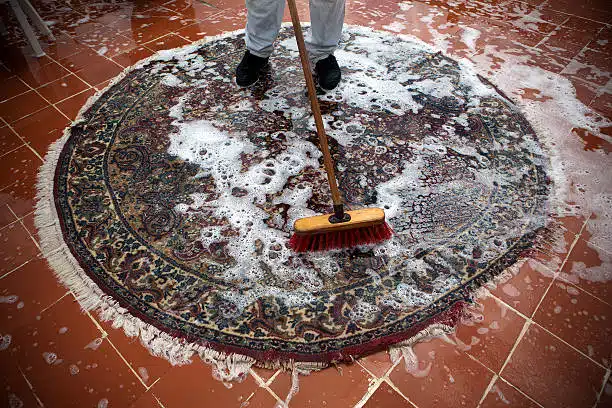
We flood-wash the entire rug in temperature-controlled water — never exceeding 85°F. The wool fibers expand gradually, releasing dirt without shocking the dye structure. This is how Persian weavers cleaned rugs for centuries, and it’s still the gold standard for heavily soiled pieces.
Method 2: Dry Compound Extraction
For rugs with water-sensitive dyes (common in tribal pieces from the 1800s), we use specialized dry compounds that absorb soil without moisture. Think of it like using sawdust, but scientifically formulated. The granules pull dirt out through molecular attraction.
Method 3: Low-Moisture Encapsulation
This works best for maintenance cleaning. We apply crystallizing polymers that surround soil particles. When they dry, you vacuum them away along with the trapped dirt. No residue, no overwetting, no dye bleeding.
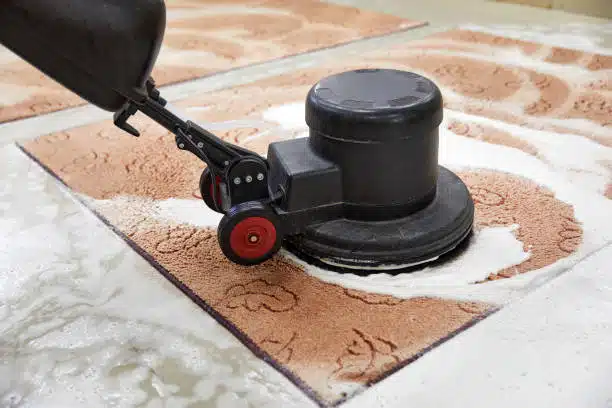
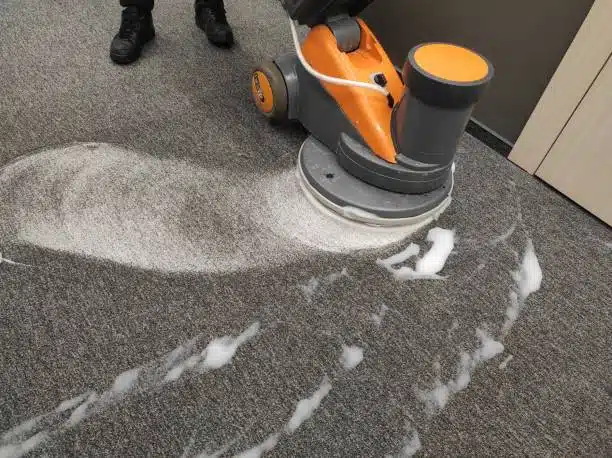
What doesn’t work? Steam cleaning. Hot water extraction. Rotary shampooing. Anything that uses high heat or aggressive agitation will destroy the foundation structure of a hand-knotted rug.
I remember one client who showed me a Heriz that had been steam cleaned at 200°F. The cotton foundation had literally cooked and started separating from the wool knots. There’s no fixing that — it’s structural failure.
What Persian Rug Cleaning Costs in Atlanta
Honest answer? Quality Persian rug cleaning isn’t cheap, but it’s a fraction of what replacement costs.
Here’s what you can expect to pay in the Atlanta market:
| Rug Size | Basic Cleaning | Deep Restoration | Antique Specialist |
|---|---|---|---|
| 4×6 feet | $150-250 | $300-450 | $400-600 |
| 6×9 feet | $250-400 | $500-750 | $650-950 |
| 8×10 feet | $350-550 | $700-1000 | $850-1200 |
| 9×12 feet | $450-700 | $900-1300 | $1100-1500 |
Why the price range? Age, condition, and knot density all factor in. A machine-made “Persian-style” rug from the 1990s is different from a hand-knotted Nain with 500 knots per square inch.
The expensive part isn’t the labor — it’s the insurance and expertise. When you’re handling a rug that could be worth more than someone’s car, you need specialized equipment, trained technicians, and comprehensive coverage. Most residential carpet cleaners carry $1 million liability. We carry $5 million specifically for textile restoration.
But here’s what most people don’t consider: proper professional cleaning every 3-5 years actually increases your rug’s value. Well-maintained Persian pieces appreciate 3-7% annually, while neglected ones lose 15-20% of their market value within a decade.
Advanced Stain Removal Without Damage
Now we get to the part that separates real specialists from general cleaners. Stain removal on Persian rugs isn’t about scrubbing harder — it’s about understanding chemistry.
Pet Urine: This is the big one in Atlanta. The humidity makes urine crystals go deeper into wool fibers. We use enzymatic pre-treatments that break down uric acid at the molecular level. Standard carpet cleaners use ammonia-based solutions that actually set the stain permanently.
Red Wine: Everyone panics about this, but wine is actually easier than most people think. The key is pH balance. Wine is acidic (around 3.5 pH), so we neutralize with a weak alkaline solution, then flush with distilled water. Never use salt — that’s an old wives’ tale that can bleach wool permanently.
Coffee and Tea: Tannin stains are tricky because they oxidize over time. Fresh spills come out easily. Set stains need oxygen bleaching agents, but you have to test color-fastness first. I’ve seen antique rugs where the coffee stain removal worked perfectly, but it revealed that the surrounding area had faded from decades of sunlight exposure.
Grease and Oil: This requires solvent extraction. We use perchloroethylene (the same chemical used in dry cleaning) applied with heated extraction tools. The key is controlling temperature — too hot and you’ll set the stain into the wool cuticle permanently.
Here’s an unpopular opinion: some stains shouldn’t be removed. I worked with a museum curator who had a 400-year-old prayer rug with ancient bloodstains from ritual use. Those stains were part of the rug’s historical provenance. We stabilized them instead of removing them.
How Often Should You Clean Your Persian Rug
Most Atlanta homeowners ask me this question, and they’re usually surprised by my answer: it depends entirely on your lifestyle and the rug’s placement.
High-traffic Persian rugs (foyers, living rooms): Professional cleaning every 18-24 months. These see daily foot traffic, pet activity, and spill exposure. The wool fibers compress over time, and soil builds up in the foundation.
Medium-traffic areas (dining rooms, bedrooms): Every 3-4 years is sufficient. Regular vacuuming with a brush-roll attachment handles surface soil. Professional cleaning addresses embedded dirt and refreshes the pile.
Low-traffic display pieces (formal rooms, wall hangings): Every 5-7 years, or when you notice visible soiling. These rugs face different challenges — dust accumulation, light fading, and humidity-related wool relaxation.
But here’s what most people get wrong: they wait until the rug looks dirty. By then, soil has already abraded the wool fibers. Proper maintenance cleaning prevents this damage from happening in the first place.
I tell my Atlanta clients to think of it like car maintenance. You don’t wait until your engine seizes to change the oil. Same principle applies to Persian rugs — preventive care costs less than restoration.
The other factor people ignore? Atlanta’s climate. Our humidity levels fluctuate dramatically between summer and winter. Persian wool expands and contracts with moisture changes. Annual inspection and bi-annual deep cleaning prevents moth damage, mildew formation, and foundation stress that leads to structural problems.
Finding the Right Persian Rug Cleaner in Atlanta
Look, I’m going to be blunt here — 90% of Atlanta rug cleaners shouldn’t touch Persian pieces. They mean well, but good intentions don’t fix color bleeding or foundation damage.
Here’s what to look for:
Certifications that actually matter:
– Institute of Inspection, Cleaning and Restoration Certification (IICRC) specifically in textile restoration
– Textile specialty training from recognized schools like the Rug & Textile Conservation Foundation
– Import/export licensing (shows they understand textile authenticity and value)
Ask to see their facility. Real Persian rug specialists have dedicated washing rooms with pH-controlled water systems, climate-controlled drying areas, and separate storage for different fiber types. If they’re cleaning rugs in the back of a van, walk away.
Questions that reveal competence:
“What’s your process for testing dye fastness?” (They should mention litmus strips, blotter tests, or chromatography)
“How do you handle foundation shrinkage?” (Proper answer involves controlled drying with tension frames)
“What’s your insurance coverage for textile damage?” (Should be minimum $2 million with specific textile riders)
Red flags that mean you should keep looking:
- Quotes given over the phone without seeing the rug
- Promises to have it “good as new” (impossible with antique pieces)
- Uses terms like “deep steam cleaning” or “truck-mount extraction”
- Can’t explain the difference between machine-made and hand-knotted construction
- Doesn’t ask about the rug’s age, origin, or previous cleaning history
At Surena Rugs, we require an in-person consultation for every Persian rug cleaning. We photograph damage, test fiber content, and provide written condition reports. It’s more work upfront, but it prevents disasters later.
I’ve seen too many Atlanta homeowners learn the hard way that the lowest bid usually costs the most in the end.
Real Results We’ve Delivered
I worked with an Atlanta physician last year who inherited a 1920s Kashan from her grandfather. The rug had spent 30 years in a basement storage room — you know that musty, almost sour smell that old wool gets when it’s been damp too long? That was this piece.
The challenge wasn’t just cleaning. Mold spores had colonized the cotton foundation, creating dark spots that looked like stains but were actually living organisms. Standard cleaning would have spread the contamination.
We used a three-step process: first, UV sterilization to kill active mold. Then ozone treatment to eliminate odor-causing bacteria. Finally, immersion washing with antifungal agents specifically designed for natural fibers.
The transformation was dramatic. Colors that had been muddy and dull emerged vibrant. The wool pile, which had been matted and lifeless, regained its original luster. Most importantly, we eliminated the health hazard without damaging the rug’s value.
Another case: a Sandy Springs collector brought us a tribal Baluch that had been damaged in their basement flood. Insurance had written it off as a total loss, but she couldn’t bear to discard her grandmother’s wedding gift.
The rug had been submerged for six hours before they discovered the leak. By the time we saw it, the cotton warp threads were already showing signs of rot, and the wool had developed that distinctive brackish smell that comes from contaminated floodwater.
Standard restoration would have cost more than the rug was worth. Instead, we developed a custom treatment plan: selective foundation repair, antimicrobial washing, and controlled re-tensioning to prevent further shrinkage.
Three months later, she had her family heirloom back. Not perfect — some areas showed subtle color variation from the water damage — but stable, clean, and usable. More importantly, the sentimental value was preserved.
Real Results We’ve Delivered
I worked with an Atlanta physician last year who inherited a 1920s Kashan from her grandfather. The rug had spent 30 years in a basement storage room — you know that musty, almost sour smell that old wool gets when it’s been damp too long? That was this piece.
The challenge wasn’t just cleaning. Mold spores had colonized the cotton foundation, creating dark spots that looked like stains but were actually living organisms. Standard cleaning would have spread the contamination.
We used a three-step process: first, UV sterilization to kill active mold. Then ozone treatment to eliminate odor-causing bacteria. Finally, immersion washing with antifungal agents specifically designed for natural fibers.
The transformation was dramatic. Colors that had been muddy and dull emerged vibrant. The wool pile, which had been matted and lifeless, regained its original luster. Most importantly, we eliminated the health hazard without damaging the rug’s value.
Another case: a Sandy Springs collector brought us a tribal Baluch that had been damaged in their basement flood. Insurance had written it off as a total loss, but she couldn’t bear to discard her grandmother’s wedding gift.
The rug had been submerged for six hours before they discovered the leak. By the time we saw it, the cotton warp threads were already showing signs of rot, and the wool had developed that distinctive brackish smell that comes from contaminated floodwater.
Standard restoration would have cost more than the rug was worth. Instead, we developed a custom treatment plan: selective foundation repair, antimicrobial washing, and controlled re-tensioning to prevent further shrinkage.
Three months later, she had her family heirloom back. Not perfect — some areas showed subtle color variation from the water damage — but stable, clean, and usable. More importantly, the sentimental value was preserved.
Frequently Asked Questions
How Much Does Persian Rug Cleaning Cost in Atlanta?
Professional Persian rug cleaning in Atlanta typically runs $2-4 per square foot for standard cleaning, $4-6 per square foot for restoration work. A 6×9 Persian rug costs $300-500 for basic cleaning, $500-750 for deep restoration. Antique or museum-quality pieces command higher prices due to specialized handling requirements and insurance costs.
How Often Should You Wash Your Persian Rug to Keep It Last Longer?
High-traffic Persian rugs need professional cleaning every 18-24 months. Medium-traffic areas can wait 3-4 years. Display pieces or low-traffic rugs should be cleaned every 5-7 years. The key isn’t waiting until it looks dirty — preventive cleaning prevents soil from abrading wool fibers and extends the rug’s lifespan significantly.
Can Professional Persian Rug Cleaners Remove Old Stains Without Damage?
Yes, but success depends on the stain type, age, and previous treatment attempts. Pet urine, wine, and coffee respond well to specialized treatments when handled by experienced technicians. However, some stains become permanent if they’ve been heat-set by improper cleaning or have oxidized over years. Professional assessment is essential before attempting removal.
What Is the Safest Persian Rug Washing Method to Protect Its Color?
Traditional immersion washing at controlled temperatures (85°F maximum) with pH-neutral solutions is safest for most Persian rugs. We test dye fastness first using litmus strips and blotter tests. Some antique or tribal pieces require dry compound extraction to prevent color bleeding. Never use steam cleaning or high-temperature methods — they can permanently damage both dyes and wool fibers.
How Do I Find the Best Persian Rug Cleaning Service in Atlanta?
Look for IICRC certification in textile restoration, not just carpet cleaning. Ask to see their facility — legitimate Persian rug specialists have dedicated washing rooms with pH-controlled water systems. Request references from antique dealers or interior designers who work with high-value rugs. Avoid companies that quote prices over the phone or promise “like new” results on antique pieces.
Key Takeaways
Look, Persian rug cleaning isn’t something you trust to just anyone. These textile masterpieces require specialized knowledge, proper equipment, and years of experience working with natural fibers and historical dyes.
Here’s what to remember:
- Professional cleaning every 18-24 months for high-traffic rugs prevents permanent fiber damage
- Test any cleaner’s dye fastness protocols before trusting them with your investment
- Proper cleaning increases rug value — neglect destroys it
- Atlanta’s humidity creates unique challenges that require local expertise
Don’t wait until damage becomes visible. By then, it’s often irreversible. Professional cleaning service is an investment in preserving both beauty and value.
Ready to restore your Persian rug’s original beauty? Get in Touch Now! Our textile specialists provide free consultations and condition assessments for all Persian and Oriental rug cleaning projects in the Atlanta metro area.
