

Pet Urine Rug Cleaning: Restore Your Rug Like Never Happened
Why Pet Urine Is Different on Rugs
Look, I’m going to be blunt here. Pet urine isn’t just “another stain” on your handmade rug. It’s a complex cocktail of urea, creatinine, sodium, potassium, and other compounds that create a perfect storm for your rug fibers.
Dog urine has a pH level between 6.0 and 7.5, which might sound neutral, but it becomes increasingly alkaline as it dries. This alkalinity breaks down the natural lanolin in wool fibers and can actually change the dye chemistry in your rug.
Cat urine is even more challenging — it’s more concentrated and contains higher levels of uric acid. That’s why cat accidents often leave those telltale yellow or brown discoloration marks that seem to appear weeks after the initial incident.
Here’s what most people miss: The visible stain is only part of the problem. The real damage happens in the foundation where bacteria multiply and create that persistent odor that resurfaces every time humidity rises.
I remember one client who brought in a beautiful 1920s Kashan that her grandmother had left her. Three generations of cats had used one corner as their preferred spot. The wool was actually dissolving at the fiber level — that’s how aggressive untreated pet urine can be over time.
What to Do Immediately After an Accident
Time is everything when it comes to pet accidents on rugs. The first 30 minutes can mean the difference between a simple cleaning and permanent damage.
Step 1: Blot, Don’t Rub
Grab clean white towels or paper towels — never colored ones, as dyes can transfer. Press firmly and lift straight up. Rubbing spreads the urine into a larger area and pushes it deeper into the pile.
Step 2: Dilute with Cold Water
Pour a small amount of cold water over the affected area and blot again. This dilutes the urine concentration and prevents the salts from crystallizing as quickly.
Step 3: Avoid Home Remedies
Forget everything you’ve read about vinegar, baking soda, or dish soap on handmade rugs. These can set stains permanently or alter dye chemistry. Your Oushak or Tabriz isn’t a synthetic carpet — it needs specialized care.
The worst thing I see people do is use steam cleaners or hot water extractors. Heat actually cooks the proteins in urine, making them bond permanently with the fibers. I’ve seen $10,000 antique Persians ruined this way.
Professional Pet Urine Cleaning Process
Real rug restoration isn’t about masking odors — it’s about complete molecular breakdown of the urine compounds. Here’s how professional cleaning services actually handle pet accidents.
Fiber Analysis and pH Testing
We start by testing the affected fibers to understand the extent of damage. Different rug materials — wool, silk, cotton foundations — react differently to urine exposure. A silk highlight thread might dissolve completely while the wool pile remains intact.
Submersion Cleaning Process
This is where we separate the real professionals from the carpet cleaners trying to work on handmade rugs. True rug cleaning requires full submersion in temperature-controlled baths with specialized enzymes.
The enzyme treatment breaks down the uric acid crystals at the molecular level. We use specific bacterial cultures that literally eat the organic compounds causing the odor. It’s not masking — it’s elimination.
Foundation Treatment
The backing and foundation often require separate treatment. We can actually see urine penetration patterns using UV lighting — it glows bright yellow-green. Sometimes the urine has soaked through to the floor underneath, requiring subfloor treatment too.
Controlled Drying Process
Proper drying prevents bacterial regrowth and ensures the rug maintains its shape. We use specialized airflow systems that prevent over-drying, which can cause foundation cracking in antique pieces.
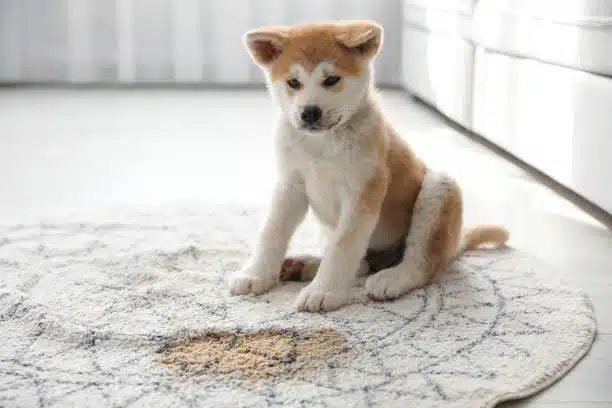
DIY vs. Professional Cleaning
I get it — professional rug cleaning isn’t cheap. Pet urine treatment typically runs $8-15 per square foot depending on the severity and rug type. But here’s the reality check most pet owners need.
DIY “Success” Stories Are Usually Temporary
That enzyme cleaner from the pet store might seem to work initially. The smell disappears for a few weeks. Then summer hits, humidity rises, and suddenly your living room smells like a litter box again.
The reason? Surface-level enzyme cleaners can’t penetrate the foundation where uric acid crystals have formed deep salt deposits. You’ve treated the symptoms, not the cause.
The Real Cost of DIY Failures
I worked with a client last year who spent six months trying different DIY solutions on a $15,000 antique Heriz. By the time she brought it to us, the dyes had shifted from all the chemical treatments she’d tried. What should have been a $400 cleaning became a $2,000 restoration project.
Every failed DIY attempt makes professional restoration more complex and expensive. The wool fibers become more fragile, dyes become unstable, and sometimes the foundation develops dry rot from repeated wetting and improper drying.
| Cleaning Method | Initial Cost | Long-term Effectiveness | Risk to Rug |
|---|---|---|---|
| DIY Store-Bought Cleaners | $15-50 | Temporary (2-8 weeks) | High dye damage risk |
| Home Steam Cleaning | $30-100 | Often makes worse | Very high – heat damage |
| Professional Spot Treatment | $150-300 | Good for fresh accidents | Low |
| Full Professional Restoration | $400-800 | Permanent solution | Minimal with experienced cleaner |
Prevention and Maintenance
The best pet urine treatment is prevention. But let’s be realistic — accidents happen, especially with puppies, senior dogs, or cats with litter box issues.
Rug Placement Strategy
Never place your best handmade rugs in high-risk areas during pet training periods. I tell clients to rotate their collection — keep the valuables stored and use machine-washable runners until pets are fully trained.
Protective Treatments
Scotchgard and similar protectors can buy you precious time when accidents happen, but they’re not miracle solutions. They slow absorption, giving you a better chance at immediate cleanup.
Regular Professional Maintenance
Annual professional cleaning removes the microscopic residues that accumulate over time. Even well-trained pets leave trace amounts of dander and oils that can attract future marking behavior.
You know that musty smell that develops in rugs over time, even without obvious stains? That’s accumulated pet dander mixing with household dust and creating bacterial growth. Professional cleaning eliminates these breeding grounds.
Choosing the Right Cleaning Services
Not all rug cleaners understand pet urine treatment. Honestly, most carpet cleaning companies that claim to clean rugs will make the problem worse.
What to Look For
Ask potential cleaners these specific questions:
- Do you use full submersion cleaning or just surface treatment?
- What enzyme systems do you use for uric acid breakdown?
- How do you handle foundation contamination?
- Do you provide UV inspection reports?
- What’s your guarantee policy for odor return?
Real professionals will explain their enzyme selection process. Different bacterial cultures work on different organic compounds. A company that just says “we use enzymes” doesn’t understand the chemistry.
Red Flags to Avoid
Run from anyone who wants to clean your handmade rug with truck-mounted steam cleaning equipment. That’s carpet cleaning equipment, not rug restoration.
Also avoid cleaners who quote prices over the phone without seeing the damage. Pet urine assessment requires physical inspection — sometimes UV lighting to see the full contamination pattern.
At Surena Rugs, we’ve developed specialized protocols specifically for different rug types and contamination levels. A vintage Tabriz requires different handling than a contemporary Turkish weave, even for identical pet accidents.
Real Results We’ve Delivered
I worked with a family in Buckhead last year whose Persian rug had been repeatedly marked by their elderly cat. The smell was so strong that guests would comment within minutes of entering their home.
The rug was a beautiful 8×10 Isfahan that had been a wedding gift 25 years earlier. They were ready to throw it away rather than continue living with the embarrassment.
Our UV inspection revealed contamination in a 4-foot radius from the primary accident site. The urine had wicked through the wool pile, cotton foundation, and into the jute backing. We detected elevated pH levels throughout the affected area.
Treatment Process:
- 48-hour enzyme pre-treatment with specialized bacterial cultures
- Full submersion cleaning with pH balancing
- Foundation restoration and antimicrobial treatment
- Controlled climate drying for 72 hours
Results: Complete odor elimination that has remained effective for over 18 months. The family now displays the rug prominently in their living room again, and their cat shows no interest in remarking the area.
The total investment was $650 for a rug valued at $8,000. Compare that to replacement cost and the sentimental value — it was absolutely the right decision.
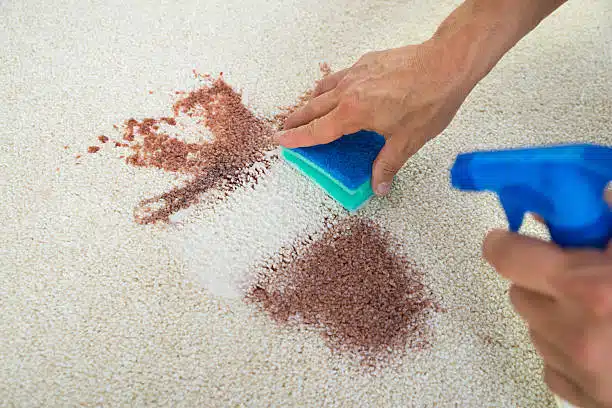
Key Takeaways
Look, pet accidents don’t have to mean the end of your handmade rug. But the window for successful treatment gets smaller every day you wait.
The most important thing to remember: avoid DIY chemical treatments on valuable rugs. That $20 enzyme cleaner might work on carpet, but it can permanently damage hand-knotted wool and silk.
Action Steps:
- Blot immediately with white towels — never rub or use heat
- Rinse with cold water to dilute urine concentration
- Contact professional rug cleaners within 24-48 hours
- Get UV inspection to identify full contamination extent
- Choose submersion cleaning over surface-only treatments
If you’re dealing with pet accidents on valuable rugs in the Atlanta area, don’t let embarrassment or cost concerns lead to permanent damage. The investment in professional restoration is always less than replacement, and the peace of mind is priceless.
Ready to restore your rug completely? Get in Touch Now! to schedule your consultation and UV inspection.
Real Results We’ve Delivered
I worked with a family in Buckhead last year whose Persian rug had been repeatedly marked by their elderly cat. The smell was so strong that guests would comment within minutes of entering their home.
The rug was a beautiful 8×10 Isfahan that had been a wedding gift 25 years earlier. They were ready to throw it away rather than continue living with the embarrassment.
Our UV inspection revealed contamination in a 4-foot radius from the primary accident site. The urine had wicked through the wool pile, cotton foundation, and into the jute backing. We detected elevated pH levels throughout the affected area.
Treatment Process:
- 48-hour enzyme pre-treatment with specialized bacterial cultures
- Full submersion cleaning with pH balancing
- Foundation restoration and antimicrobial treatment
- Controlled climate drying for 72 hours
Results: Complete odor elimination that has remained effective for over 18 months. The family now displays the rug prominently in their living room again, and their cat shows no interest in remarking the area.
The total investment was $650 for a rug valued at $8,000. Compare that to replacement cost and the sentimental value — it was absolutely the right decision.
Frequently Asked Questions
How Do You Remove Dog Urine Smell from a Rug Permanently?
Permanent dog urine odor removal requires breaking down uric acid crystals at the molecular level using specialized bacterial enzymes. Surface treatments only mask the smell temporarily. Professional submersion cleaning with pH balancing and controlled drying is the only method that eliminates odor permanently. The process typically takes 5-7 days and costs $8-12 per square foot depending on contamination severity.
Can Pet Urine Stains on Rugs Be Fully Removed Without Damage?
Yes, but success depends on the rug type, age of the stain, and treatment method. Fresh accidents on wool rugs respond well to professional cleaning. Set-in stains may require color restoration if DIY treatments have altered the dyes. Silk highlights are more challenging and sometimes require reweaving. The key is professional assessment before attempting any cleaning — heat and wrong chemicals can make stains permanent.
How Much Does Pet Urine Rug Cleaning Cost in Atlanta?
Professional pet urine rug cleaning in Atlanta ranges from $400-800 for typical residential rugs, depending on size and contamination extent. Spot treatments start around $150-300. Full restoration with foundation treatment costs $8-15 per square foot. While expensive upfront, it’s significantly less than rug replacement and provides permanent results when done correctly.
What Is the Best Rug Odor Removal Method for Pet Accidents?
Full submersion cleaning with enzyme treatment is the most effective method for handmade rugs. The process involves specialized bacterial cultures that consume organic compounds causing odors. UV inspection identifies contamination patterns, followed by pH balancing and controlled drying. Surface-only treatments fail because urine penetrates deep into foundations where traditional cleaners can’t reach.
How Long Does It Take to Professionally Clean a Rug with Pet Urine?
Professional pet urine rug cleaning takes 5-10 business days depending on contamination severity. The process includes 48-hour enzyme pre-treatment, submersion cleaning, foundation treatment if needed, and controlled drying for 72+ hours. Rush services are available for additional fees, but proper enzyme breakdown and drying can’t be safely accelerated without risking rug damage.
Key Takeaways
Look, pet accidents don’t have to mean the end of your handmade rug. But the window for successful treatment gets smaller every day you wait.
The most important thing to remember: avoid DIY chemical treatments on valuable rugs. That $20 enzyme cleaner might work on carpet, but it can permanently damage hand-knotted wool and silk.
Action Steps:
- Blot immediately with white towels — never rub or use heat
- Rinse with cold water to dilute urine concentration
- Contact professional rug cleaners within 24-48 hours
- Get UV inspection to identify full contamination extent
- Choose submersion cleaning over surface-only treatments
If you’re dealing with pet accidents on valuable rugs in the Atlanta area, don’t let embarrassment or cost concerns lead to permanent damage. The investment in professional restoration is always less than replacement, and the peace of mind is priceless.
